Monster Hunter: A Global Phenomenon
Author : Christopher
Apr 20,2025
In the lead-up to its global launch, Monster Hunter Wilds shattered pre-order records on both Steam and PlayStation, following in the footsteps of its immensely popular predecessors, Monster Hunter Rise (2022) and Monster Hunter: World (2018). These sales figures solidify Capcom's unique and esoteric RPG series as one of the world's biggest video game franchises. However, the path to global acclaim was not always so clear.
Just a decade ago, the notion of a Monster Hunter game achieving such widespread popularity would have seemed improbable. When Monster Hunter debuted in 2004, it received mixed reviews. It wasn't until its transition to the PSP in 2005 that the series truly took off, but only in Japan. For years, Monster Hunter epitomized the "bigger in Japan" phenomenon. Yet, Capcom never ceased efforts to penetrate the international market, and the success of Monster Hunter: World, Rise, and now Wilds validates their persistence.
This is the story of how Monster Hunter evolved from a domestic sensation to a global powerhouse.
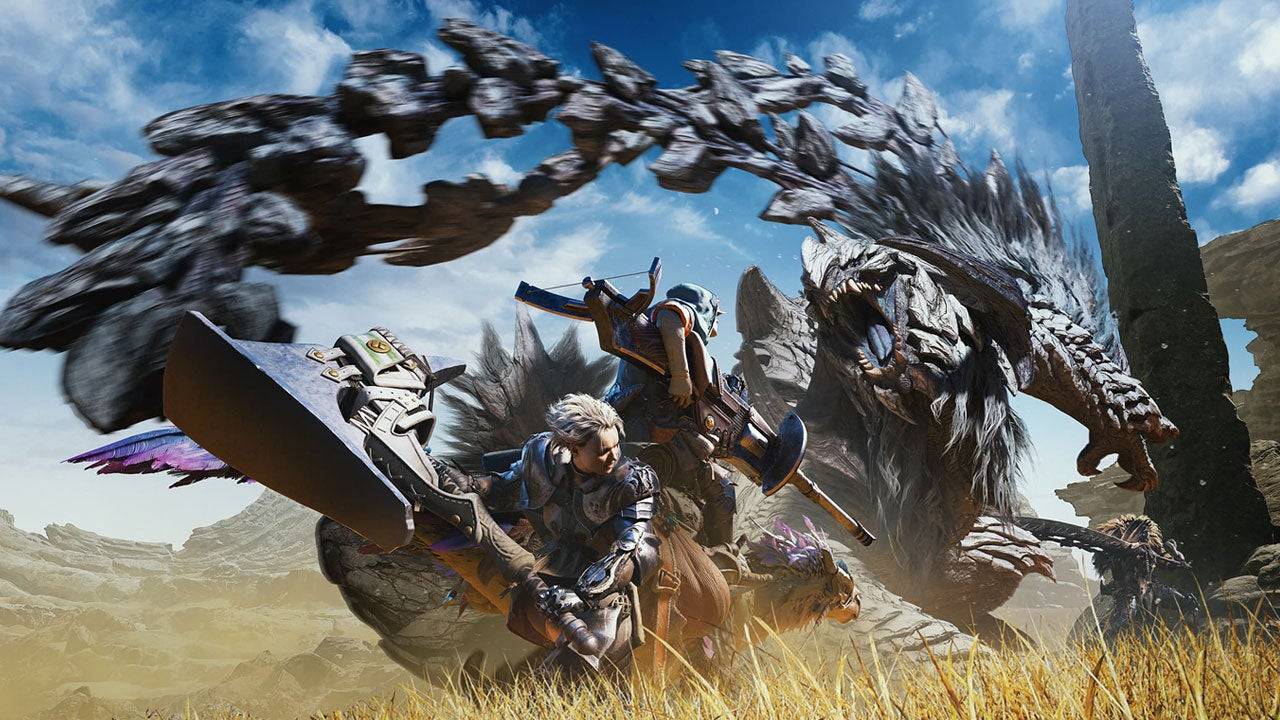
Around the time of Street Fighter 5's launch in 2016, Capcom underwent a significant internal reorganization to prepare for a new generation of games powered by the brand new RE Engine, replacing the aging MT Framework. This change was about more than just technology; it included a mandate to create games for a global audience, not just territory-specific fans.
"It was a few factors that came together," says Hideaki Itsuno, a former game director at Capcom known for his work on Devil May Cry. "The change of the engine and also all teams were given a very clear goal at that point to make games that reach the global market, that are fun for everyone."
During the PS3 and Xbox 360 era, Capcom tried to capture the "Western games market" with action-heavy titles like Resident Evil 4, which was a hit, but also gun-focused spinoffs like Umbrella Corps and the sci-fi shooter series Lost Planet, which did not fare as well. Eventually, Capcom realized the importance of creating games that appealed to everyone, not just fans of specific genres.
"I think that we had that clear goal of just focusing and not holding anything back," Itsuno says. "Towards making good games that would reach people from all over the world."
Itsuno notes that the period leading up to 2017 was crucial. "The changes in organization and the changes in the engine, all these elements came together around that time," he says. The launch of Resident Evil 7 in 2017 marked the beginning of a Capcom renaissance.
No other series better represents Capcom's new goal for global success than Monster Hunter. While it had dedicated fans in the West, Monster Hunter was far more popular in Japan for decades. This was due to several factors, including the transition from PlayStation 2 to PSP with Monster Hunter Freedom Unite. The handheld gaming market was much stronger in Japan, thanks to its advanced wireless internet network, which allowed gamers to play together seamlessly.
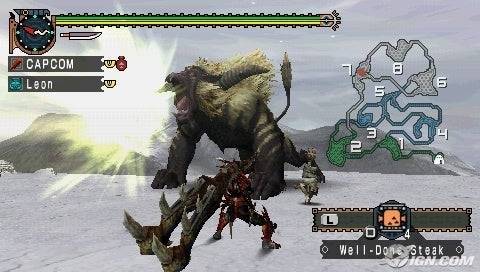
"20 years ago, Japan was in a very, very solid state in terms of the network environments available to people, and being able to connect and to play online together," explains Ryozo Tsujimoto, executive producer of the series. "And of course, we're not speaking for everyone there, because we realize that there are people who may not have had the chance to play with friends back then. But by moving over to handheld systems, we were able to grow that player base that was interacting and playing multiplayer together."
Monster Hunter's core pillar of cooperative play was best served on handheld consoles, which were more popular in Japan at the time. This focus inadvertently made Monster Hunter a "Japan-only" brand, as Capcom released Japan-only content and hosted Japan-only events to cater to its primary audience.
Despite this, Monster Hunter did have fans in the West, who were eager to experience the exclusive content available to Japanese players. As internet infrastructure improved globally and online play became standard, Tsujimoto and the team saw an opportunity to release their most advanced and globally-accessible Monster Hunter game yet.
Monster Hunter: World, released in 2018 on PlayStation 4, Xbox One, and PC, marked a significant shift for the franchise. It offered large-scale, AAA console quality action with enhanced graphics, expansive areas, and larger monsters. The game was designed with a global audience in mind from the outset.
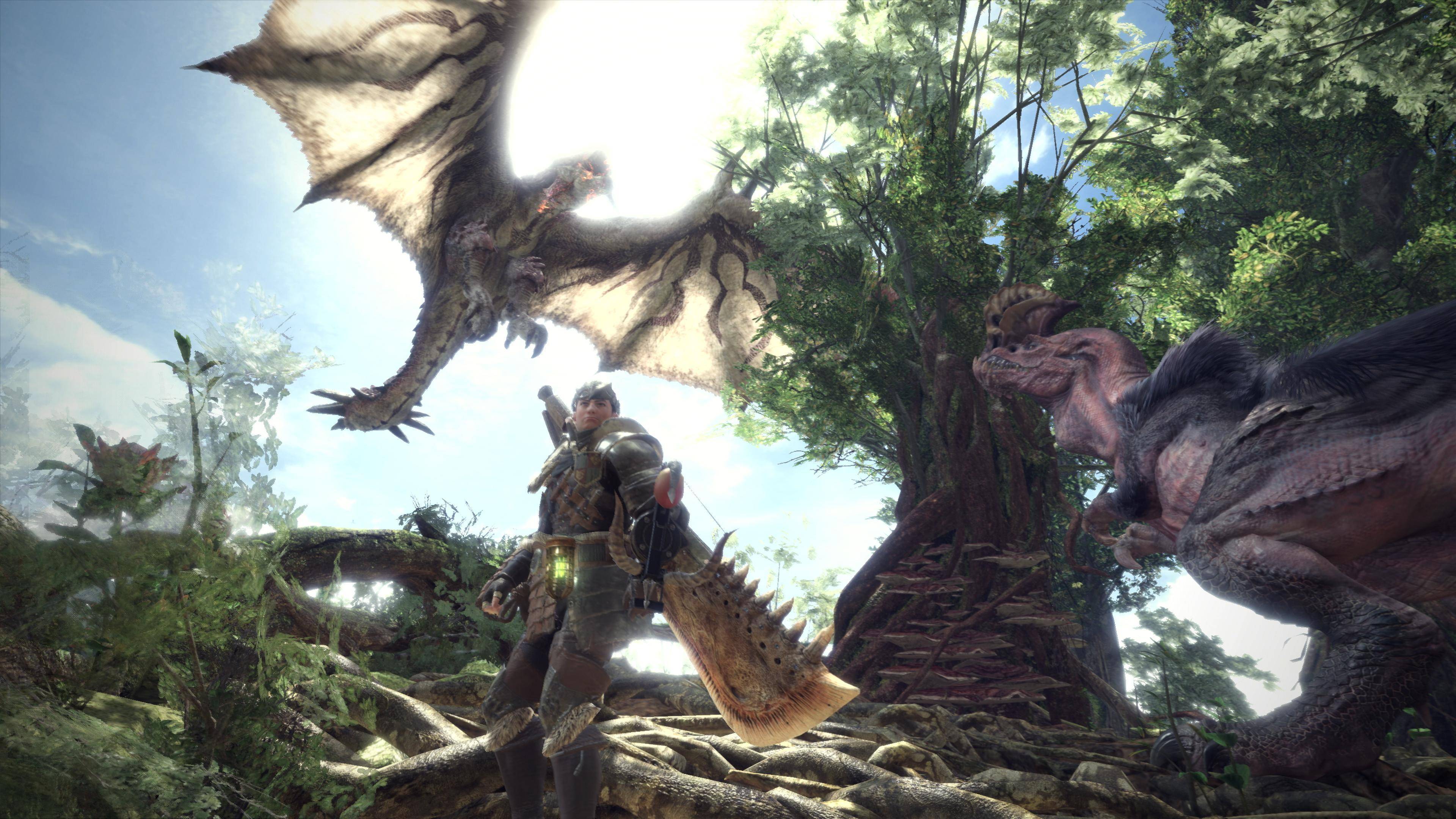
"Our approach to the globalization of the series and Monster Hunter in general really ties into not only the themes that we had going into designing the game, but also in the name of the game," Tsujimoto reveals. "The fact that we called it Monster Hunter: World is really kind of a nod to the fact that we wanted to appeal to this worldwide audience that we wanted to really dig into and experience Monster Hunter for the first time."
To avoid any perception of market favoritism, Monster Hunter: World was released simultaneously worldwide, without Japan-exclusive content. "It comes with realigning ourselves to hit those global standards that people come to expect of titles around the world," Tsujimoto says.
To further broaden its appeal, Capcom conducted global focus tests and user tests, which influenced game system design and contributed to Monster Hunter: World's global success. One notable change was the inclusion of damage numbers when players hit monsters, a small tweak that significantly enhanced player engagement.
Previous Monster Hunter games typically sold between 1.3 to 5 million copies, not including re-releases and special editions. In contrast, Monster Hunter: World and its 2022 follow-up, Monster Hunter Rise, both surpassed 20 million copies sold.
This growth was not accidental. Rather than altering the essence of Monster Hunter to fit Western tastes, Tsujimoto and his team found ways to make the series' unique nature more accessible to a wider audience without compromising its core identity. This approach continues with the latest installment, Monster Hunter Wilds.
"At its heart, Monster Hunter really is an action game, and that sense of accomplishment you get from really mastering that action is an important aspect of Monster Hunter," Tsujimoto explains. "But for newer players, it's really getting to that point. The steps involved in getting to that sense of accomplishment is really what we're trying to strategize for, in terms of designing for new players. So with World and Rise, for example, we were taking really great care to analyze where players got stuck, what was hard to understand, what they were having trouble with, getting player feedback, and also doing our own kind of research into that. And all of that kind of knowledge has impacted how we've implemented new systems into Wilds."
Within 35 minutes of its release, Monster Hunter Wilds reached 738,000 concurrent players on Steam, more than double Monster Hunter: World's all-time high. With glowing reviews and the promise of more content to come, Monster Hunter Wilds is poised to continue the series' mission to conquer the world.
Latest Articles
Wuthering Waves 2.1 Phase II: New Banners Detailed
Wuthering Waves launches Phase II of its Version 2.1 update on March 6th, packed with new events, Resonator and weapon banners, and plenty of rewards to claim. Here's everything you need to know.What’s Happening?The companion story "Sail Day, Captain
Rian Johnson Reveals He Never Made an Outline or Treatment For His Star Wars Trilogy: 'All Very Conceptual'
You're absolutely right — Rian Johnson’s potential Star Wars trilogy was one of the most tantalizing "what ifs" in modern sci-fi fandom. The idea of Johnson, the mastermind behind Knives Out and a filmmaker deeply committed to emotional storytelling,
Android Release for RPG Miscrits: World of Creatures
Miscrits: World of Creatures, the beloved social monster-collecting game from the 2010s, has launched on Android by Lightning Ball Studios. Originally a browser-based hit from Broken Bulb Studios before its 2017 closure, the game has been completely
Alolan Mon Debuts in Pokémon TCG Pocket
Pokémon TCG Pocket is officially launching its Celestial Guardians expansion this month. The global release is set for April 30th, 2025, transporting players to the Alola region where they’ll explore beneath its radiant Sun and shimmering Moon.
What

Woochi the Wayfarer Preorder and DLC
Woochi the Wayfarer takes place in a fantasy reimagining of Korea’s Joseon era. Discover how to pre-order the game, its pricing, and whether any special editions or downloadable content are planned.
← Return to Woochi the Wayfarer main articleWoochi
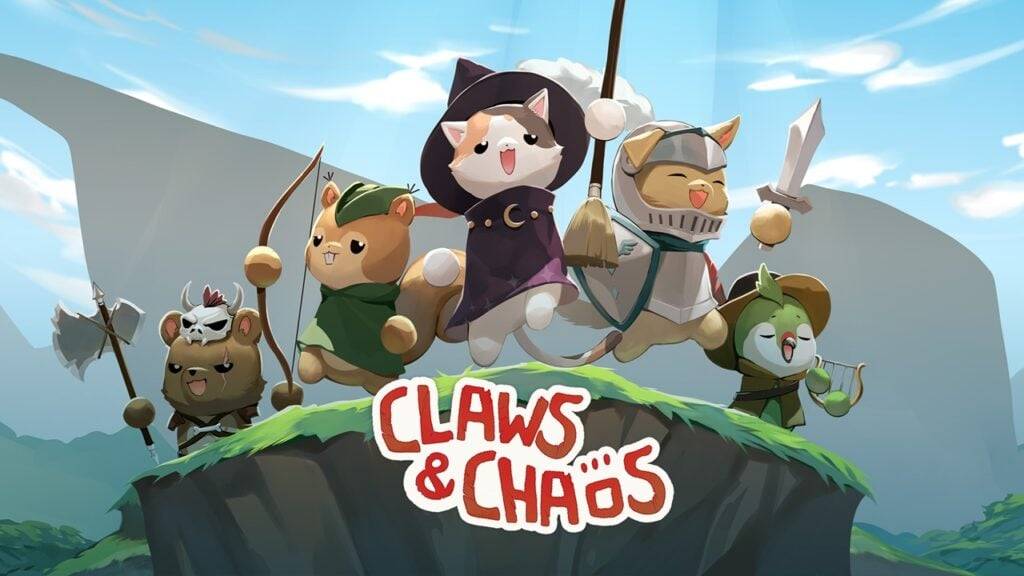
"New Auto-Chess Game Launches on Android with Unique Heroes"
King Chipmunk has truly embraced chaos, declaring all-out war! Claws and Chaos plunges players into a dystopian world where animals battle against impossible odds for their shot at salvation. This auto-chess strategy game comes from Mad Mushroom Medi
Latest Games

Classic American Muscle Cars 2
Racing丨84.8 MB


Word Bubble
Word丨30.4 MB

LifeSimulator - Chinese Life
Word丨54.2 MB

Tasty Slot
Card丨24.70M
โดมิโน่สยาม - Domino Siam
Card丨28.40M

Crush Stories Mod
Casual丨298.48M

Armored Suit Solgante
Casual丨147.50M

Trending Games
MORE +








Top News
MORE +
01
01-01
Call of Duty: Black Ops 6 Adds Fan-Favorite Modes
Call of Duty: Black Ops 6 receives classic game modes and map updates this week, addressing post-launch issues. The highly anticipated "Infected" mode arrives tomorrow, followed by the iconic "Nuketown" map on Friday, November 1st.
Infected and Nuketown Enhance Black Ops 6
Treyarch, the developer,
02
03-13
Top 10 LitRPG Books for 2025
Reading is my absolute favorite pastime. While I enjoy video games and TV, nothing quite compares to immersing myself in a captivating book series. My reading journey began with Harry Potter, branching out to sci-fi, fantasy, mysteries, and even some non-fiction. But my true literary passion ignite
03
04-08
Kingshot Beginner's Guide: Mastering Tower Defense Mechanics
Dive into the thrilling world of Kingshot, a multiplayer strategy game that masterfully combines precision shooting with tactical warfare. Set against the backdrop of a medieval fantasy realm, you step into the shoes of a powerful monarch, locked in a fierce struggle for supremacy over rival kingdom
04
03-05
Helldivers 2: Superstore Rotation (All Armor & Items)
Helldivers 2 Superstore: A Complete Guide to Armor and Item Rotations
Equipping the right armor is crucial in Helldivers 2. With diverse armor types (light, medium, heavy), unique passives, and varying stats, choosing your gear is a strategic decision. The Superstore offers exclusive armor sets an
05
04-16
Azure Latch Codes (March 2025)
Last updated on March 28, 2025 - Added new Azure Latch codes!Are you looking to boost your in-game cash to splurge on animations, styles, emotes, and more in Azure Latch? Look no further. Here, you'll discover all the latest working codes for the game. Don't delay—redeem them quickly and enjoy that
Topics
More +