
Firebreak Is 2024's Most Unusual Shooter
Author : Savannah
Jan 06,2026
Just when I thought I had finished playing FBC: Firebreak, I found myself enjoying a delicious cream cake. As luck would have it—being somewhat accident-prone—a dollop of cream fell right into my blood orange cocktail, blending into the drink. Watching it swirl, I was instantly reminded of the halls of the Federal Bureau of Control, firing glowing bursts into the red Hiss enemies that roam its corridors. It's the sort of strange mental leap a visit to Remedy’s creative world inspires.
Remedy has built a varied catalog—from horror to sci-fi and neo-noir detective stories. But what always stood out to me about the team behind Alan Wake and Max Payne is their willingness to embrace the absurd. Firebreak, their newest project and first venture into both first-person shooting and co-op multiplayer, is wonderfully silly. In my two-hour play session, I wiped out enemies using a killer garden gnome and battled a towering sticky note behemoth. That was all it took to convince me: in the crowded—and often overly serious—online shooter genre, Remedy stands apart, driven by their passion for weaving the bizarre into everything they create.
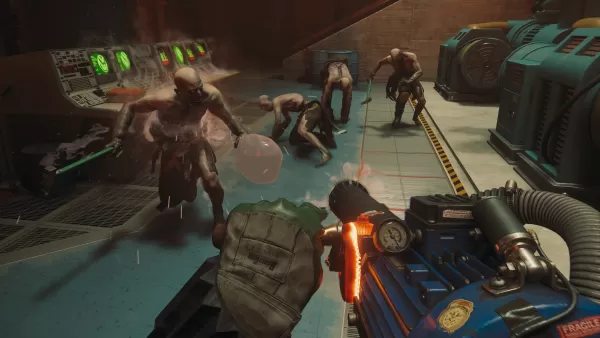
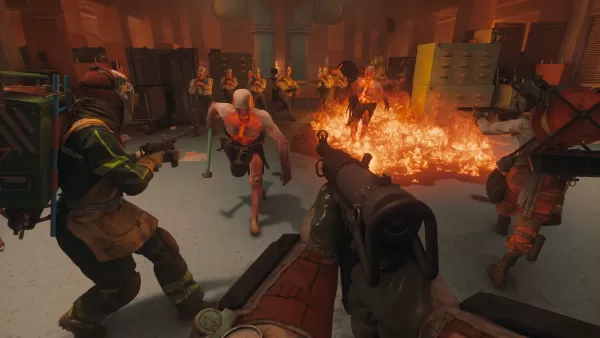
FBC: Firebreak - Gameplay Screenshots
View 16 Images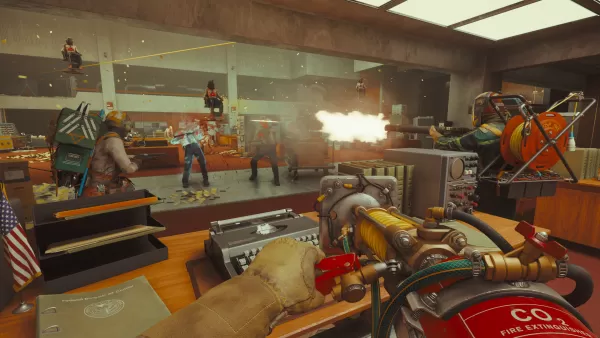
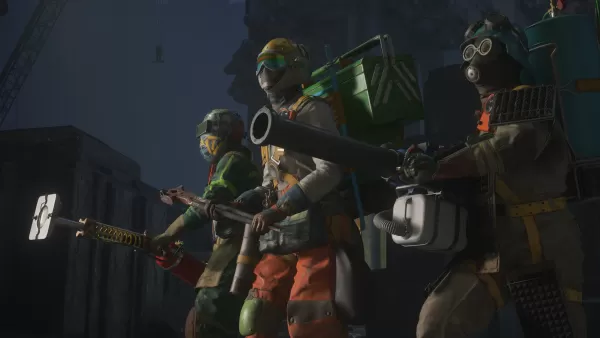
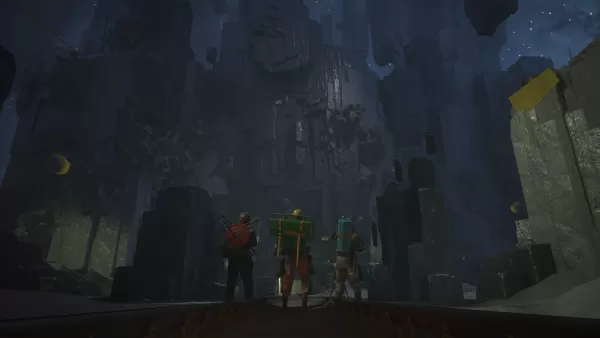
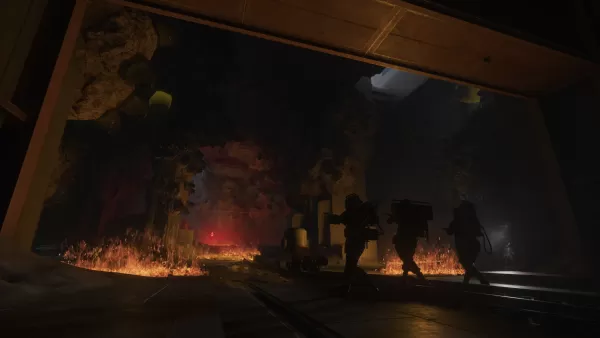
Set six years after the events of Remedy’s 2019 hit Control, Firebreak returns to The Oldest House—a location familiar to fans of Jesse Faden’s story. The brutalist architecture and subtle Finnish folk music playing in the bathrooms create a sense of uneasy comfort. Firebreak sends squads back into this X-Files-style government building to contain local outbreaks of the Hiss—Control’s interdimensional threat that infects both living beings and inanimate objects. You and up to two teammates act as this universe’s version of the Ghostbusters, armed with shotguns instead of proton packs. The twist? Here, mixing abilities isn’t just allowed—it’s essential.
Let me explain. In addition to standard firearms, you choose from three specialized kits, each supporting the team in different ways. The Fix Kit lets you repair essential equipment like ammo stations and healing showers (yes, FBC agents restore health by showering—told you it was delightfully absurd). The Splash Kit, on the other hand, equips you with a hydro cannon that can heal teammates or drench enemies. Finally, the Jump Kit includes a short-range electro-kinetic weapon that stuns enemies on contact. Each kit is useful on its own, but when combined, their effects become devastating. Picture sending an electric charge through a soaking-wet mob—you can imagine the results.
Teamwork and communication are key in Firebreak, because although the whole game is playable solo, it’s clear that the intention is for three players to come together.“
Teamwork and communication are vital in Firebreak. Even though the game supports solo play, its design clearly encourages three-player cooperation, especially when the action intensifies. Every mission—referred to as jobs—follows the same structure: enter, complete objectives, and return to the elevator you started from. My first task was straightforward: repair three faulty heat fans in the building’s furnace while fending off enemy waves, then make a quick escape back to the elevator.
But as I mentioned earlier, things quickly escalate. The “Paper Chase” mission, which involved clearing thousands of scattered sticky notes, was a completely different experience from the earlier fan-repair job. Only after removing the required number of notes from the office floors and walls could we advance. The challenge? Hiss forces arrived regularly to slow us down, and the notes themselves could latch onto us, dealing damage—truly a case of “death by a thousand paper cuts.” While a melee attack could destroy them, the most efficient method was combining water and electricity—an elegant use of Firebreak’s elemental kit system. This cooperative synergy is supported by responsive gunplay, so there’s always something to do even without relying on others. I gravitated toward the machine gun, mowing down red-glowing figures that burst into the familiar oily haze seen in Control.
The third mission, set in the Black Rock Quarry, demanded the most teamwork. Shooting leeches off the cavern walls released dangerous radioactive pearls that had to be secured in a shuttle and transported deeper into the quarry. It was the most demanding of the missions, requiring constant communication. We had to take periodic showers to wash off radiation, fight off large enemy groups, and avoid instakill astral spikes. Despite the frenetic pace, I had a great time.
While I appreciated the mission objectives, I have mixed feelings about Firebreak’s map design. In Control, The Oldest House was a shifting, secret-filled maze. In Firebreak, the layouts are more straightforward—likely for the better, as tighter, more linear spaces are easier to navigate in first-person (even without a minimap, my teammates and I still got turned around occasionally). Still, I felt the headquarters lost a bit of its unpredictable charm. Don’t expect something as surreal as the Ashtray Maze; instead, you’ll find more grounded, functional environments.
Completing a mission unlocks higher clearance levels, adding new objectives and extending playtime. Maps expand on repeat visits, offering new chambers, tougher foes, and more complex goals. Just like in Control, boss encounters can lock down areas until defeated. Some are bullet sponges with huge health bars, while others—like the giant sticky note creature that pummeled us with oversized fists—are far more engaging. Taking down this puzzle-like boss required coordination and combined abilities, reminiscent of the final stages in Space Marine 2’s expeditions, where shooting skill sometimes takes a backseat to strategy.
Monsters made of everyday items were among my favorite aspects of Control, and I’m thrilled to see some of that eccentricity return. The game also features randomly spawning corrupted items, though I didn’t encounter any during my session. One example mentioned was a rubber duck that draws enemy attention, letting teammates focus on tasks—though due to its small size, none of us spotted it (a visibility issue the developers are addressing). Another example was a set of traffic lights whose red beam inflicts heavy damage, adding a touch of Squid Game-style tension to the stark brutalist interiors.
Firebreak has solid foundations, though my main concerns relate to visual clarity.“
It’s these signature Remedy touches that help Firebreak stand out. Your loadout options reflect this: completing missions earns unlock tokens used to acquire wild new gear. Ultimate abilities include the Splash Kit’s Teapot, which spews superheated droplets to incinerate foes, and the Jump Kit’s erratic garden gnome, summoning a localized electrical storm. This ability, in particular, turned the action delightfully chaotic. Most of the time, the frantic juggling of abilities and swarming enemies is a blast—though sometimes the screen gets so busy it becomes hard to read.
Firebreak has solid foundations, though my main concerns relate to visual clarity. Sometimes the path forward isn’t obvious; other times, it’s difficult to distinguish friend from foe or pick out the boss among a crowd. With vibrant effects and constant action, playing tactically can feel overwhelming. The good news is the development team is aware of these readability challenges and plans to improve them before the June 17 launch.
Firebreak will launch with five jobs, with two more planned before the end of 2025. That might not sound like a lot, but game director Mike Kayatta described them more as game modes than linear missions. I see his point—each mission offers replayability through escalating clearance levels and shifting objectives. With a price of $39.99/€39.99/£32.99 (and availability on Game Pass and PlayStation Plus), there’s enough content to satisfy both Control veterans and newcomers looking for an entertaining co-op shooter.
Entering the always-online co-op shooter arena is a bold move for any developer today. But after my time with Firebreak, I believe it has a strong core—and with Remedy’s unique, quirky personality, it has the potential to carve its own niche. Much like that rogue dollop of cream found its place in my cocktail, I’m confident Firebreak will make its mark. And yes, I drank every last drop.
Latest Articles
James Gunn Dismisses Fan Wars Ahead of Superman, Fantastic Four Releases
This summer, two major superhero films are primed for a box office showdown. The DC Universe's rebooted Superman arrives on July 11, followed by the Marvel Cinematic Universe's colossal The Fantastic Four: First Steps a mere two weeks later on July 2
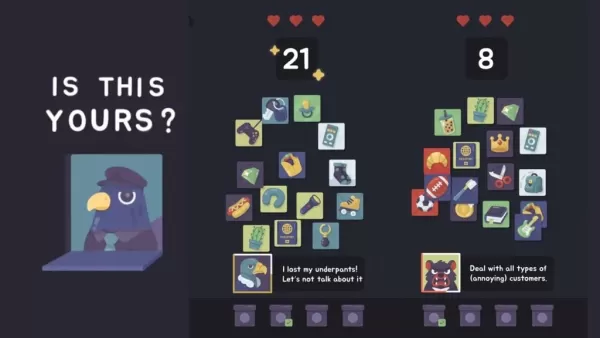
New Fast-Paced Puzzle Game 'Is This Yours?' Released by Cessabit Creators
Tepes Ovidiu, an indie developer from Romania, has launched a fresh puzzle game. His earlier titles include Cessabit, a memory game, and Not Chess. Is This Yours? is his latest creation, putting you in charge of a wildly disorganized lost & found cou
Tom Hardy Demands Oscar for Stunt Actors
Following the Academy's announcement that it will finally introduce an Oscar for Stunt Design, actor Tom Hardy has questioned whether a single award category is sufficient.In an interview with IGN ahead of the release of his new film, Havoc, Hardy sh
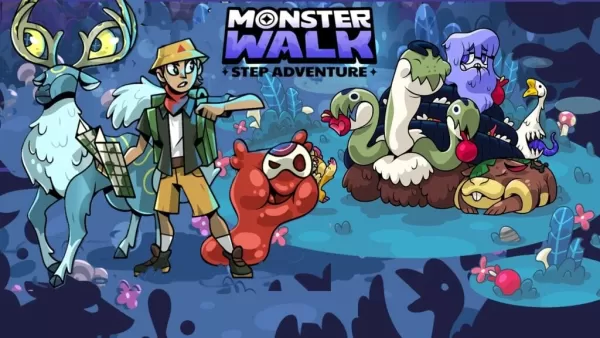
Explore a Mysterious World Powered by Your Movement in Monster Walk: Step Adventure, Out Now
Talofa Games, the creators of the acclaimed Run Legends, has officially released its latest mobile title. Although Monster Walk: Step Adventure entered early access in mid-July, it is now fully launching across Europe and the United States.The game
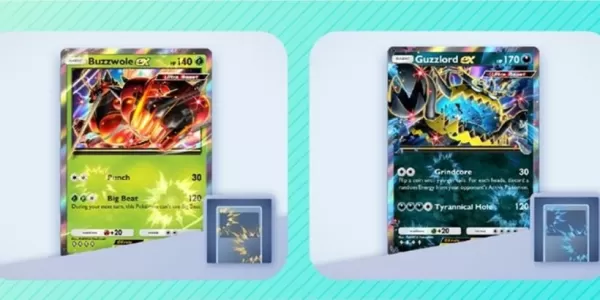
Pokémon TCG Pocket Launches Ultra Beast Event
The latest Mass Outbreak event is now live in Pokémon TCG PocketUltra Beasts are back in the spotlight once againFinish challenges or use Wonder Pick to acquire missing cards or discover new onesFor Pokémon Trading Card Game Pocket enthusiasts, the r

Sailor Cats 2 Joins Crunchyroll
Explore the cosmos to discover adorable feline companionsEnjoy charming mini-games for a dose of pure delightRemember to care for your kitties with pets and treatsIf one thing never fails to brighten my day on mobile, it's the heartwarming joy of who
Latest Games

Hitomi's Sick Pleasure
Casual丨597.60M

Vow Me, Faeries
Casual丨855.20M

Idle World - Build The Planet
Puzzle丨131.70M

Slot Book 777
Card丨28.10M




Trending Games
MORE +








Top News
MORE +

01
01-01
Call of Duty: Black Ops 6 Adds Fan-Favorite Modes
Call of Duty: Black Ops 6 receives classic game modes and map updates this week, addressing post-launch issues. The highly anticipated "Infected" mode arrives tomorrow, followed by the iconic "Nuketown" map on Friday, November 1st.
Infected and Nuketown Enhance Black Ops 6
Treyarch, the developer,
02
03-13
Top 10 LitRPG Books for 2025
Reading is my absolute favorite pastime. While I enjoy video games and TV, nothing quite compares to immersing myself in a captivating book series. My reading journey began with Harry Potter, branching out to sci-fi, fantasy, mysteries, and even some non-fiction. But my true literary passion ignite
03
04-08
Kingshot Beginner's Guide: Mastering Tower Defense Mechanics
Dive into the thrilling world of Kingshot, a multiplayer strategy game that masterfully combines precision shooting with tactical warfare. Set against the backdrop of a medieval fantasy realm, you step into the shoes of a powerful monarch, locked in a fierce struggle for supremacy over rival kingdom
04
03-05
Helldivers 2: Superstore Rotation (All Armor & Items)
Helldivers 2 Superstore: A Complete Guide to Armor and Item Rotations
Equipping the right armor is crucial in Helldivers 2. With diverse armor types (light, medium, heavy), unique passives, and varying stats, choosing your gear is a strategic decision. The Superstore offers exclusive armor sets an
05
04-26
Delta Force: Comprehensive Guide to All Combat Maps
Delta Force, the much-anticipated mobile shooter, is set to hit the mobile gaming scene this April. As the release date approaches, it's the perfect moment to familiarize new players with the diverse combat maps that await them. The game features four core maps: Zero Dam, Layali Grove, Brakkesh, and
Topics
More +